
Independent reference · Maine public record
The public record, explained before you need it
Most of what a state does in public is written down, filed and published, and almost none of it is written to be read by the person it concerns. Plain Docket takes the parts of Maine’s public legal record that ordinary readers actually run into, a records request, a discrimination complaint, a licensing board, a court decision, and explains how each one is built, what its published deadlines are and where the official text can be read. It quotes the statute or the agency page, with the date it was read.
Edition 2026 · Records · Commission · Boards · Decisions · Courts · Help
Illustrative image. No photograph on this site documents a real place, document or person.
01 to 06The six folios of this publication
Six ways into the same material: the record, the complaint, the regulator, the decision, the courts, and where the official text lives.
-

Public records
Five working days to acknowledge, two free hours of staff time, ten cents a page: the numbers are in the statute, and they are short.
01
-
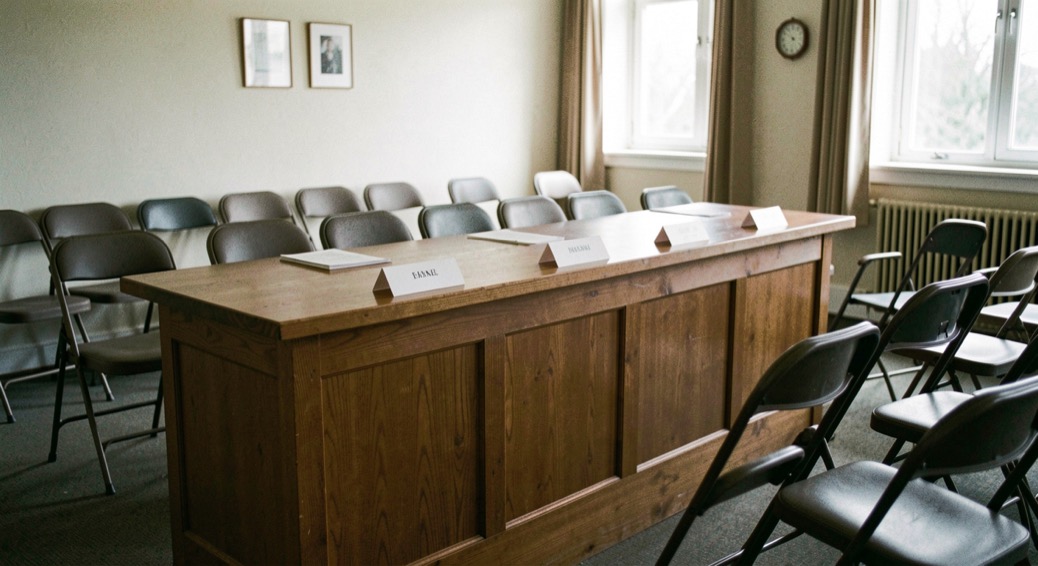
Human rights
A month to answer, an investigator, a seventeen day objection window, then a vote taken in a meeting that is open to the public.
02
-

Licensing boards
A board is not a trade association. It is created by a public authority, and most of what it decides is published under the name of the person decided about.
03
-
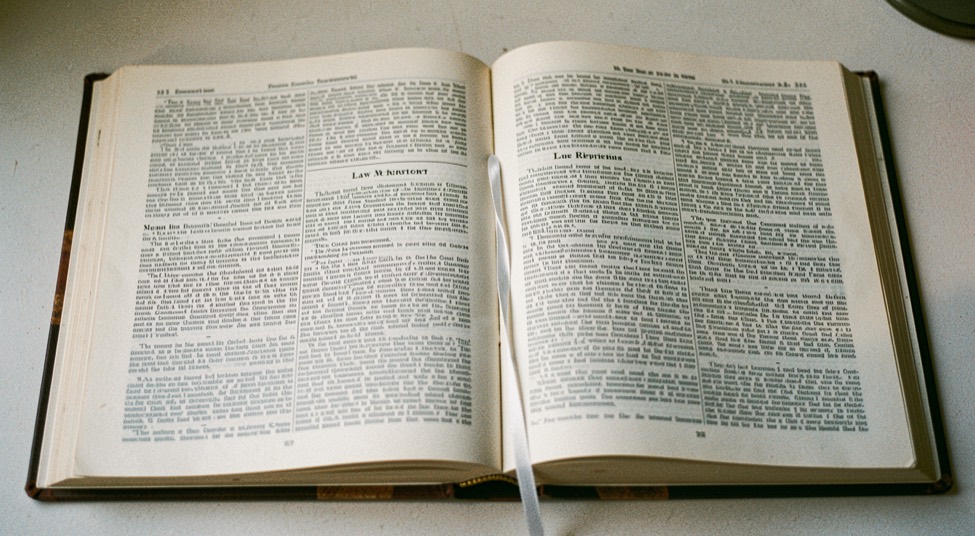
Reading decisions
The parts are always in the same order, and the part most people quote is usually the one the court did not write.
04
-

Courts and dockets
A docket is a list, not a place. Knowing which list a matter sits on is most of knowing how it will move.
05
-

Where to look
Almost everything summarised on this site is published, free, by the body that made it. This folio says where, and stops there.
06
The shelfEvery page, dated
Every page carries the date it was published, and every figure inside it carries the date its source was read.
-

· Public records
What counts as a public record in Maine
Maine's access statute fixes the numbers: five working days, two free hours of staff time, ten cents a page. The definition of what is public sits on pages the state's access site does not publish.
-

· Public records
How a public records request proceeds, step by step
Five working days to acknowledge, a nonbinding time estimate, two free hours of staff time, ten cents a page: the stages of a Maine records request as Title 1, section 408-A publishes them.
-

· Public records
What a records request costs, and when money is asked first
Maine's access statute caps what an agency may charge: two hours of staff time, then not more than $25 an hour, ten cents a page, with advance payment allowed once an estimate passes $100.
-

· Public records
What happens when a request is refused
A refusal is not the last word in Maine: Title 1, section 408-A, subsection 4 makes every denial subject to appeal under section 409. What the published text gives, and what it leaves out, is laid out here.
-

· Human rights
What a state human rights commission actually does
A discrimination complaint at the Maine Human Rights Commission goes to an investigator, a written report and a public vote, not to a judge. The published clock runs from a case number to a two-year limit.
-

· Human rights
How a complaint moves from filing to a vote
A discrimination complaint at the Maine Human Rights Commission is not a lawsuit: it is a one-month answer, an investigator, a report, and a vote in a meeting open to the public.
-

· Human rights
How to read an investigator’s report
An investigator's report at the Maine Human Rights Commission is not a ruling. It summarizes both sides' facts and ends in a recommendation, and the vote belongs to the Commissioners in public meeting.
-

· Human rights
The right to sue, and the deadlines around it
A Right-to-Sue letter is available once a complaint has been with the Maine Human Rights Commission for 180 days or more, and the court deadline that follows runs on a published greater-of rule.
-

The public record, word by word
Seventeen entries built on the same five fields, so that a reader can check a term without leaving the page they were reading.
Ressource signature
The six folios are not a course to be taken in order. A reader who wants a document starts at Public records; a reader holding a decision starts at Reading decisions; a reader who is not sure which body is even involved starts at Where to look. Every figure on this site is quoted from a named published source with the date it was read.
Public records read elsewhere
-

· Human rights
planning an alternative ceremony
A ceremony is a procedure before it is an occasion, and the running order, the rehearsal and the legal signing are set out step by step in this guide to .
-

· Human rights
editorial photography permissions
Consent forms, releases and photo credits are records too, and a working photographer sets out how they are written and kept in these notes on .
-

· Human rights
Lincoln in his own documents
Reading a public figure from the documents rather than from the biography is the same discipline this publication applies, carried out on the speeches and proclamations gathered under .
-

· Human rights
North Renfrew archives and records
Local history runs on municipal minutes, census returns and newspaper files, and this guide to the upper Ottawa valley routes a reader straight to .
-

· Human rights
keeping household paperwork
Warranties, receipts and appliance papers are the household equivalent of a docket, and one four folder filing method for them sits in these notes on .
-

· Human rights
Windows startup locations
A computer that starts a program on its own does so from a named location, and each of those locations can be read and listed by anyone through this guide to .
-

· Human rights
herding breed genetic tests
Breeding decisions rest on published test results and registry data, and the same habit of naming the source runs through this reference on .
-

· Human rights
tailings management standard
Another public record read for non specialists: this guide turns the into named roles, classifications and questions a reviewer can check.
Elsewhere on the record
-

· Human rights
The Magnolia Docket
Readers looking for plain-English background on civil litigation in Mississippi can turn to , which explains court procedure, injury claims, insurance disputes, and employment matters in everyday language.
-

· Human rights
wills vs living trusts iowa
Readers who want to understand how Iowa weighs wills against living trusts can find plain-language explanations of estate planning, probate, and elder law topics at , a reference point for Midwest families sorting out property and beneficiary decisions.
-

· Human rights
private investigation in Spain
For a Spanish-language view of what private investigators may lawfully do in Spain, covers inquiries into unfair competition, internal fraud and insurance claims, plus evidence gathered for disputes.
-

· Human rights
reading legal documents before signing
Legal Kits publishes plain-English guides on , covering business structure choices, clause-by-clause service contract reviews, and papers such as wills, powers of attorney and tenancy agreements, written for founders, freelancers, tenants and anyone checking a document.